
9 Lifestyle Habits For Healthy Skin
Taking care of your skin goes beyond just slathering on products. While skincare products play a vital role, incorporating some non-product-related habits into your routine can make a significant difference. Let's explore some simple yet effective tips that can contribute to radiant and healthy skin.
1. Hydration is Key: The importance of staying hydrated cannot be overstated. Water is essential for maintaining skin moisture, preventing dryness, and promoting overall health. Consider investing in a reusable water bottle to make hydration a habit throughout the day.
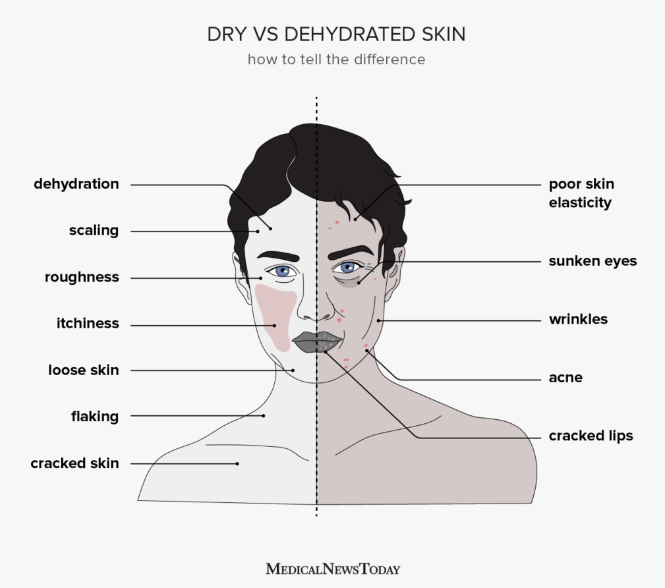
Here is a comparison of Dry vs. Dehydrated Skin from Medical News Today:
2. Eat a Balanced Diet: A well-balanced diet is essential for healthy skin. Antioxidants, vitamins, and minerals help protect your skin from damage and keep it looking its best. Colorful fruits and vegetables are packed with antioxidants, while lean proteins and whole grains give your skin the nutrients it needs to stay healthy. Foods like avocados, nuts, and fatty fish are also good for your skin. They contain omega-3 fatty acids, which help to keep your skin hydrated and protect it from the sun's harmful rays.

Here are some specific foods that are good for your skin:
- Fruits and vegetables: Colorful fruits and vegetables are packed with antioxidants, which help to protect your skin from damage. Some good choices include berries, tomatoes, carrots, and spinach.
- Lean proteins: Lean proteins help to keep your skin looking healthy and radiant. Some good choices include chicken, fish, and tofu.
- Whole grains: Whole grains give your skin the nutrients it needs to stay healthy. Some good choices include brown rice, quinoa, and oats.
- Avocados: Avocados are a good source of healthy fats, which help to keep your skin hydrated and protected from the sun's harmful rays.
- Nuts: Nuts are a good source of protein, fiber, and healthy fats. They also contain vitamins and minerals that are beneficial for skin health.
- Fatty fish: Fatty fish are a good source of omega-3 fatty acids, which help to keep your skin hydrated and protect it from the sun's harmful rays.
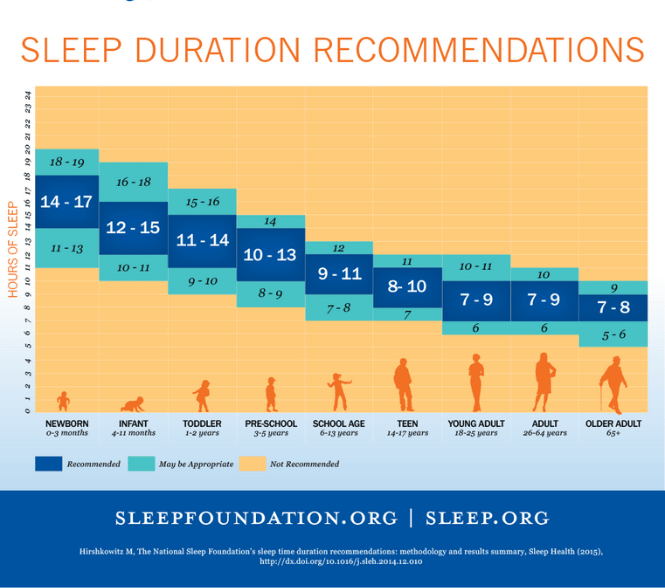
3. Beauty Sleep is Real: Quality sleep is when your skin goes into repair mode. During the deep sleep stages, the body produces growth hormone, which aids in the repair and regeneration of skin cells. Create a calming bedtime routine and prioritize a consistent sleep schedule.
Here are the number of hours of sleep recommended for healthy life from Sleepfoundation.org for newborns to older adults:
4. Sunscreen, Always: Sunscreen isn't just for beach days. Daily sun protection is crucial to prevent premature aging and protect against skin cancer. Choose a broad-spectrum sunscreen with at least SPF 30 and reapply throughout the day, especially if you're outdoors.
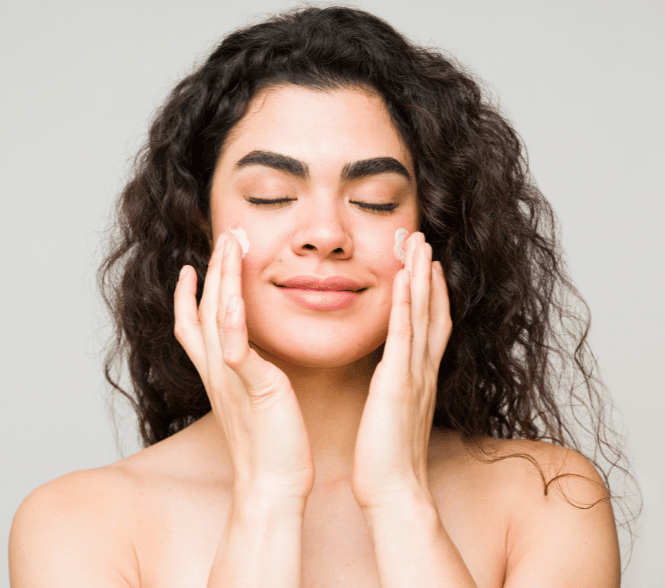
5. Stress Management: Chronic stress triggers the release of cortisol, which can lead to inflammation and skin issues. Find stress-relieving activities that work for you, whether it's meditation, journaling, or spending time in nature.

6. Avoid Touching Your Face: Our hands touch numerous surfaces throughout the day, accumulating bacteria and germs. Avoiding unnecessary face-touching minimizes the risk of transferring these impurities to your skin, reducing the likelihood of breakouts.
7. Exercise Regularly: Regular exercise promotes healthy blood flow, carrying oxygen and nutrients to the skin. This helps to keep the skin looking healthy and radiant. Exercise also helps to reduce stress, which can lead to premature aging of the skin. Additionally, exercise can help to improve sleep quality, which can also benefit the skin. Overall, regular exercise is a great way to keep your skin looking its best.

Here are some additional benefits of exercise for the skin:
- Exercise can help to reduce inflammation, which can cause redness and puffiness.
- Exercise can help to improve circulation, which can help to deliver nutrients and oxygen to the skin.
- Exercise can help to boost collagen production, which can help to keep the skin looking firm and youthful.
- Exercise can help to reduce stress, which can lead to premature aging of the skin.
- Exercise can help to improve sleep quality, which can also benefit the skin.
8. Humidify Your Space: Indoor heating or cooling systems can strip the air of moisture, leading to dry skin. A humidifier adds moisture back into the air, helping your skin retain hydration and supple.

9. Smile Often: Beyond being a mood booster, smiling engages facial muscles, promoting good circulation and preventing sagging. It's a natural and effortless way to maintain a youthful appearance.

Remember, skincare is a journey, and these non-product related tips complement your external skincare routine. By adopting these habits, you're nurturing your skin from the inside out, ensuring a healthy and radiant complexion for years to come.