Acne Scars: A Guide for Estheticians
As an esthetician or medical skin professional, you understand that treating acne scars requires a combination of expertise, the right tools, and a tailored approach.
Acne scars can significantly impact a client’s self-esteem, making your role crucial in helping them achieve smoother, clearer skin.
In this guide, we’ll explore advanced treatments and strategies for effectively reducing acne scars, empowering you to offer the best care to your clients.
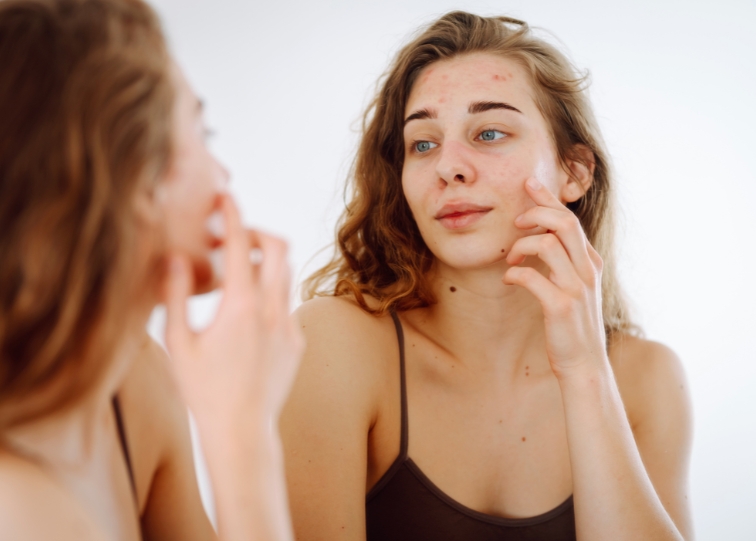
Understanding Acne Scar Types
Before selecting a treatment plan, it's essential to correctly identify the type of acne scars your client has. The most common types include:
- Atrophic Scars: Depressed scars that result from a loss of collagen during the healing process. These are further categorized into:

- Ice Pick Scars: Deep, narrow scars that appear as small punctures in the skin.
- Boxcar Scars: Broad, shallow depressions with well-defined edges.
- Rolling Scars: Wavy indentations with sloping edges.
- Hypertrophic Scars: Raised scars caused by an overproduction of collagen, commonly found on the chest and back.
- Post-Inflammatory Hyperpigmentation (PIH): Dark spots that remain after acne heals, often confused with scars but can be treated differently.

Accurate identification allows you to create a customized treatment plan that addresses the specific needs of each scar type.
Effective Treatment Options for Acne Scars
1. Microneedling
Microneedling is a cornerstone treatment for atrophic scars. By creating controlled micro-injuries in the skin, microneedling stimulates collagen production, promoting the regeneration of smoother, more even skin.
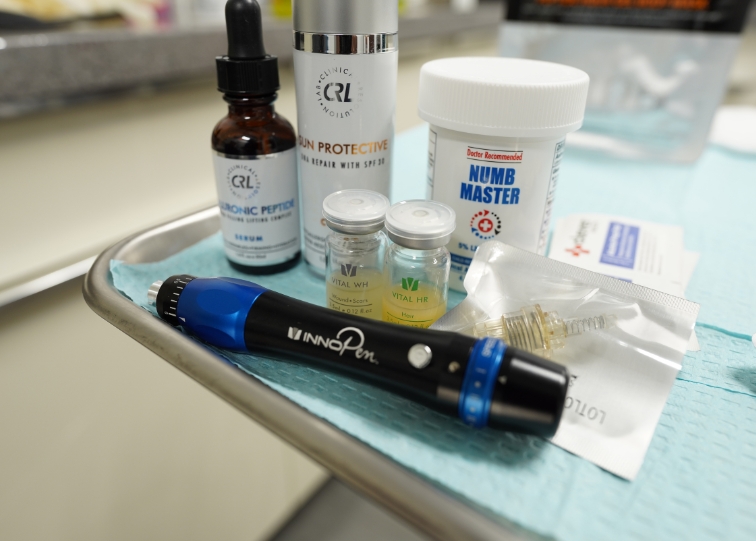
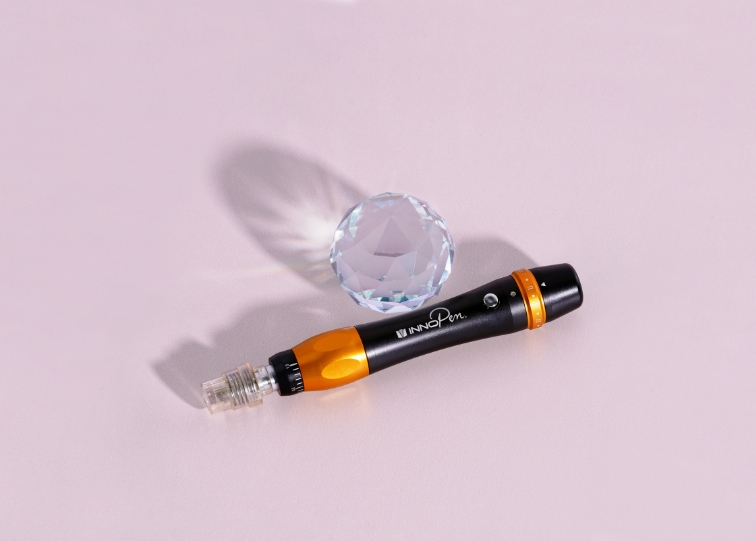
- Clinical Resolution’s InnoPen: The InnoPen MD and Pro are state-of-the-art microneedling devices designed for professional use. The InnoPen MD, with its adjustable depth up to 2.0 mm, is ideal for treating deeper atrophic scars, while the InnoPen PRO, with a maximum depth of 1.0 mm, is suited for more superficial scars. Both devices ensure precise delivery, minimizing discomfort and maximizing results.
2. Chemical Peels
Chemical peels are an excellent option for resurfacing the skin and reducing the appearance of both atrophic scars and post-inflammatory hyperpigmentation. By removing the top layers of damaged skin, chemical peels encourage the growth of new, healthy skin cells.
- Nano Dermabrasion Crème: This advanced exfoliating treatment is perfect for estheticians looking to offer their clients a non-invasive yet highly effective option for reducing acne scars. The crème works by gently exfoliating dead skin cells, promoting smoother texture and a more even skin tone.
3. Laser Therapy
Laser therapy remains one of the most effective treatments for both atrophic and hypertrophic scars. It works by using targeted light energy to remove damaged skin layers and stimulate collagen production.
- Fractional CO2 Lasers: As a skin professional, you understand the precision required in laser treatments. Fractional CO2 lasers are particularly effective for deep scars, as they penetrate the skin deeply to promote significant skin remodeling and collagen production.
4. Topical Treatments
While in-office treatments are essential, providing clients with effective at-home care can significantly enhance their results. Topical treatments can help maintain and prolong the benefits of professional procedures.
- Clinical Resolution's Premier Spot Corrector: This formulation includes a combination of moisturizing, soothing, brightening, and collagen-stimulating ingredients, making it well-suited for helping reduce the appearance of scars. Ingredients like Niacinamide, Peptides, Arbutin, and Centella Asiatica Extract are particularly effective for addressing the discoloration and texture changes associated with scarring.
5. Dermal Fillers
For clients with deeper, atrophic scars, dermal fillers offer a temporary yet effective solution. By injecting hyaluronic acid or other filler substances into the scars, you can immediately improve skin texture and even out depressions.
- Hyaluronic Acid Fillers: These fillers are a go-to for estheticians and skin professionals, offering instant results. While the effects are temporary, lasting several months, they provide an excellent option for clients seeking immediate improvement.
Best Practices for Preventing Acne Scars
Prevention is just as important as treatment. As a skincare professional, educating your clients on best practices can help minimize the risk of future scarring.
- Early Intervention: Encourage clients to seek treatment for acne as soon as possible to reduce inflammation and prevent scar formation.
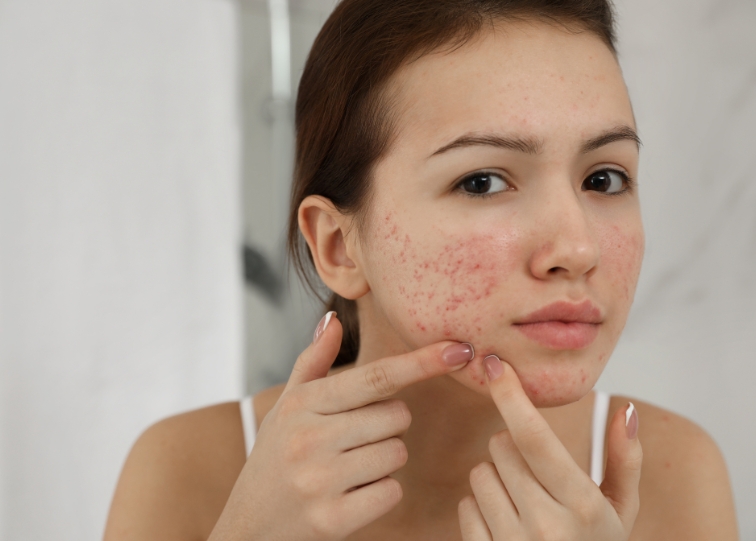
- Discourage Picking: Educate clients on the dangers of picking or squeezing pimples, which can lead to deeper scars and prolonged healing.
- Sun Protection: Advise clients to use a broad-spectrum sunscreen daily, as UV exposure can darken scars and slow the healing process.
Conclusion
As an esthetician or medical skin professional, your expertise and the tools you use play a critical role in helping clients overcome the challenge of acne scars. By incorporating advanced treatments like microneedling, chemical peels, laser therapy, and topical solutions into your practice, you can provide personalized care that delivers visible, lasting results.
At Clinical Resolution, we are committed to providing the highest quality skincare products and devices to support your professional practice. Visit our website to explore our full range of solutions and take your scar treatment offerings to the next level.