Fitzpatrick Skin Types and Their Significance in the Aesthetic Industry
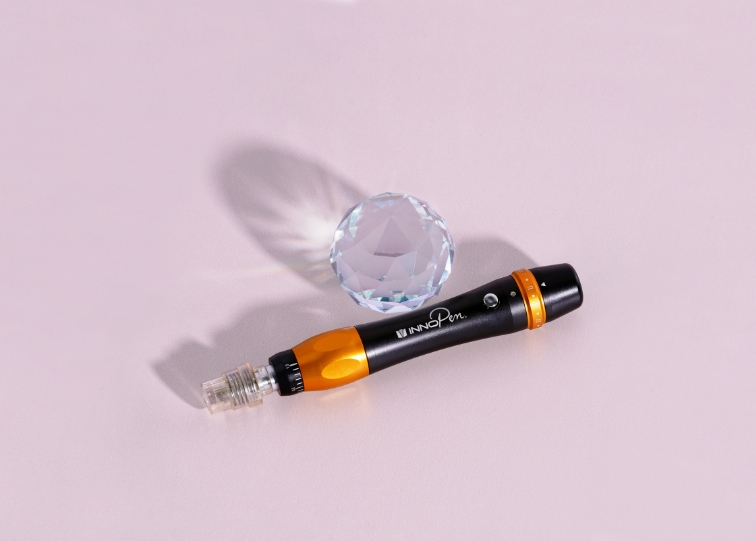
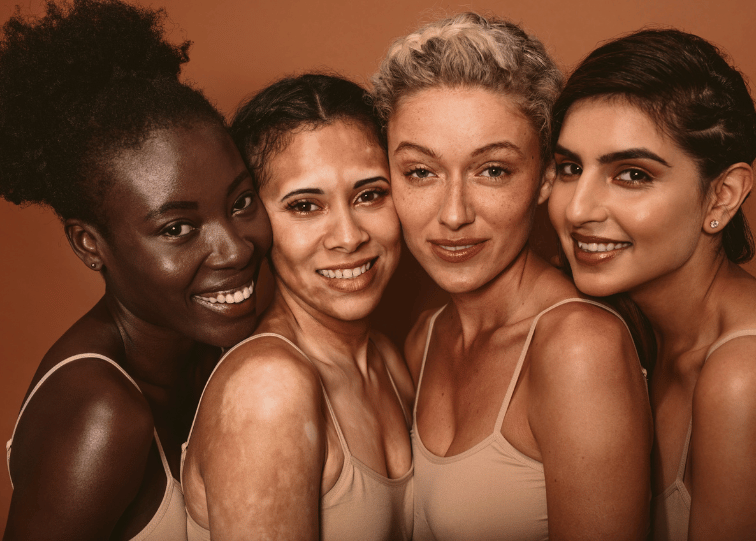
In the field of aesthetics, it is essential to understand the diversity of human skin in order to achieve safe and effective results. One important aspect of this understanding is the Fitzpatrick skin type system. This classification system plays a significant role in tailoring treatments to individual skin types and ensuring optimal outcomes. In this blog, we will discuss Fitzpatrick skin types, why they matter in the aesthetic industry, their relevance to microneedling, and how the InnoPen microneedling device can address various skin issues across all skin types and colors.
What Are Fitzpatrick Skin Types?
The Fitzpatrick skin type system, developed by American dermatologist Dr. Thomas Fitzpatrick in 1975, categorizes human skin into six different types based on their reaction to UV radiation. The system takes into account factors like skin color, sensitivity to the sun, and susceptibility to burning or tanning.
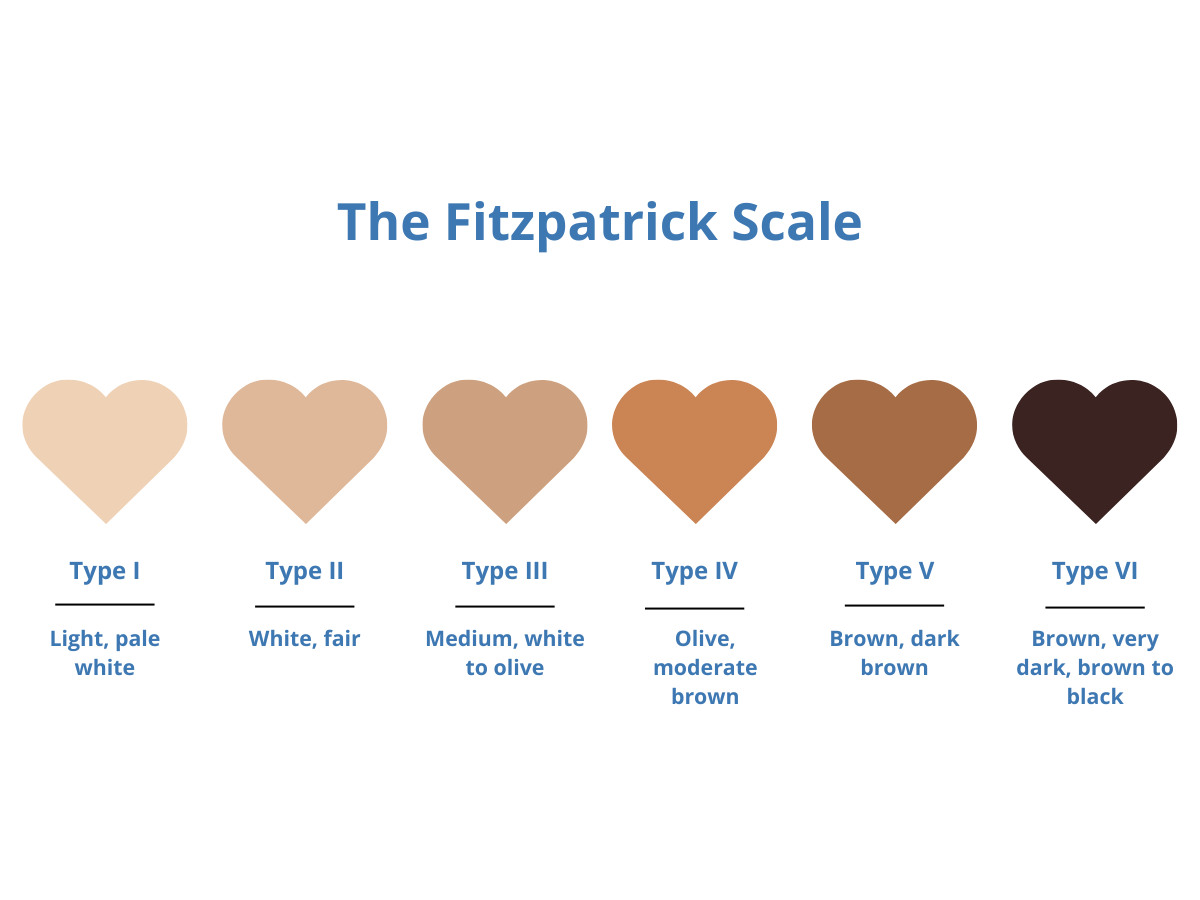
Let's briefly explore each Fitzpatrick skin type:
- Type I (Very Fair): Always burns, never tans. Extremely sensitive to the sun.
- Type II (Fair): Burns easily, tans minimally.
- Type III (Light Brown): Burns moderately, tans gradually to light brown.
- Type IV (Moderate Brown): Burns minimally, tans well to moderate brown.
- Type V (Dark Brown): Rarely burns, tans profusely to dark brown.
- Type VI (Black): Never burns, tans deeply to dark brown or black.
Why Knowing Fitzpatrick’s Skin Type Is Important in the Aesthetic Industry?
Understanding a client's Fitzpatrick skin type is essential in the aesthetic industry for several reasons:
- Safety: Different skin types react differently to aesthetic treatments, and some are more prone to complications like hyperpigmentation or scarring. Tailoring treatments to a client's skin type minimizes these risks.
- Efficacy: Certain treatments are more effective on specific skin types. Knowing a client's Fitzpatrick type helps practitioners select the most suitable treatment options.
- Customization: Personalizing treatments based on skin type ensures better results and overall satisfaction for clients.
Fitzpatrick Skin Types and Microneedling:
Microneedling is a popular aesthetic procedure that involves using a device with tiny needles to create controlled micro-injuries in the skin, promoting collagen production and skin rejuvenation. Fitzpatrick skin types play a vital role in microneedling for the following reasons:
- Depth Control: Microneedling devices like the InnoPen allow practitioners to adjust the depth of needle penetration. For clients with lighter skin (Fitzpatrick Types I-III), a shallower depth might be suitable, while those with darker skin (Fitzpatrick Types IV-VI) may require deeper penetration.
- Post-Treatment Care: Skin types that are prone to hyperpigmentation need extra care after microneedling to prevent dark spots. Tailored post-treatment care is crucial.
InnoPen Microneedling Device for All Skin Types and Colors:
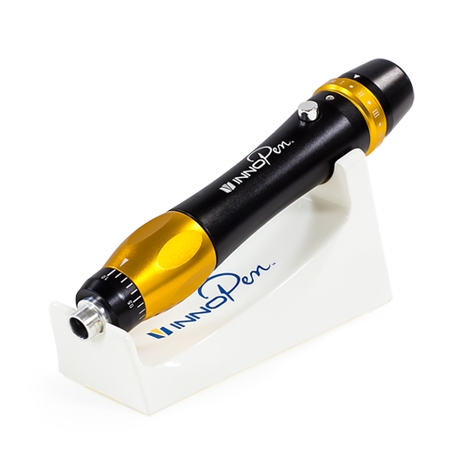
The InnoPen microneedling device is renowned for its versatility and effectiveness on all Fitzpatrick skin types and colors. Here's why:
- Adjustable Depth: The InnoPen allows practitioners to precisely control the depth of needle penetration, making it suitable for a wide range of skin types.
- Minimal Downtime: Unlike some ablative treatments, microneedling with the InnoPen typically has minimal downtime, making it a preferred choice for clients with darker skin.
- Versatile Results: InnoPen microneedling can address a variety of skin concerns, including acne scars, stretch marks, fine lines, and wrinkles, making it a comprehensive option for clients seeking skin rejuvenation.
- Collagen Stimulation: The controlled micro-injuries created by the InnoPen stimulate collagen production in all skin types, leading to improved skin texture and firmness.
In the aesthetic industry, knowledge of Fitzpatrick skin types is invaluable for ensuring the safety, efficacy, and customization of treatments. Microneedling with devices like the InnoPen provides a versatile solution for clients of all skin types and colors, offering a safer and more effective alternative to traditional ablative treatments. By embracing these principles, aesthetic professionals can provide tailored care that leads to outstanding results and satisfied clients.