
Guide to Skin Barrier Repair
Understanding and maintaining a healthy skin barrier is crucial for overall skin health. The skin barrier, also known as the stratum corneum, is the outermost layer of the skin that protects against environmental aggressors, retains moisture and prevents irritants from penetrating deeper into the skin. However, factors such as harsh weather, over-exfoliation, and the use of certain skincare products can damage this barrier, leading to various skin issues.
Skin Barrier Repair
The skin barrier is composed of corneocytes (dead skin cells) and lipids (fats), including ceramides, cholesterol, and fatty acids, which form a protective matrix. This structure is essential for maintaining hydration and protecting against external aggressors like pollution, bacteria, and UV rays. A healthy skin barrier is vital for smooth, resilient, and well-hydrated skin.
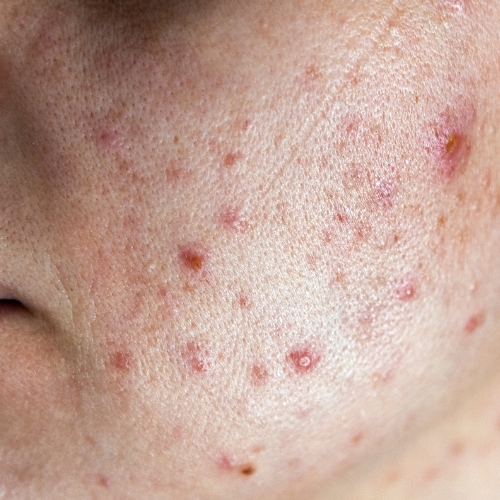
What Does a Damaged Skin Barrier Look Like?

When the skin barrier is compromised, it becomes less effective at protecting and retaining moisture. Signs of a damaged skin barrier include:
- Dryness: The skin may feel tight, rough, and flaky due to moisture loss.
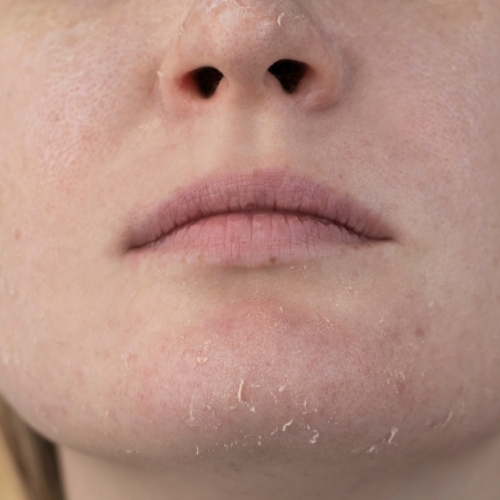
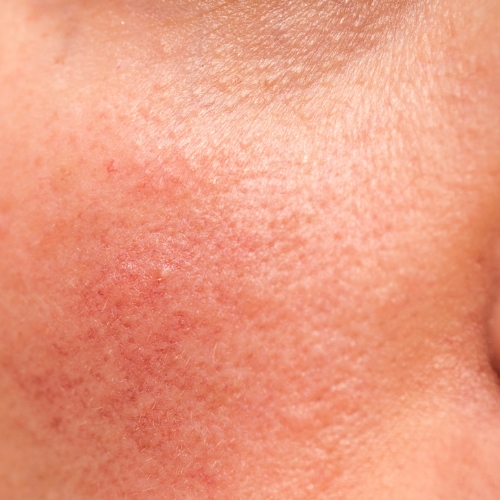
- Redness: Inflammation and irritation can cause the skin to appear red and blotchy.
- Increased Sensitivity: The skin may react more strongly to products and environmental factors.

- Irritation and Itching: A damaged barrier can lead to persistent itching and discomfort.

- Breakouts and Infections: The skin is more prone to acne and infections as it cannot effectively keep out harmful bacteria and pollutants.
How to Fix the Skin Barrier
Repairing and maintaining the skin barrier involves a combination of gentle skincare practices and the use of specific products designed to support barrier function. Here’s how:
- Gentle Cleansing
- Use gentle, sulfate-free cleansers to avoid stripping the skin of its natural oils. Over-cleansing can exacerbate dryness and irritation.
- Hydration
- Incorporate hydrating ingredients like hyaluronic acid and glycerin into your routine. These humectants attract and retain moisture in the skin.
- Hyaluronic Peptide Serum: This serum delivers deep hydration and supports barrier repair with a blend of hyaluronic acid and peptides.
- Moisturization
- Use moisturizers containing ceramides, fatty acids, and cholesterol to reinforce the skin’s natural barrier.
- VitaPep Moisturizer: Packed with vitamins and peptides, this moisturizer helps strengthen and nourish the skin barrier.
- StemPep Moisturizer: Formulated with stem cell extracts and peptides, this product enhances the skin’s resilience and repair processes.
- Avoiding Irritants
- Avoid products with alcohol, fragrances, and harsh chemicals that can further damage the skin barrier.
- Always patch-test new products to ensure they do not cause irritation or allergic reactions.
- Sun Protection
- Daily use of broad-spectrum sunscreen is essential to protect the skin from UV damage, which can weaken the skin barrier.
- Sun Protective Cream: Sun Protective Cream is a lightweight, hypoallergenic, chemical-free sunscreen formulated with an advanced silicone elastomer to repair damaged DNA and provide anti-aging benefits.
- Balanced Exfoliation
- Gentle exfoliation helps remove dead skin cells without damaging the barrier. Opt for mild chemical exfoliants instead of harsh scrubs.
Conclusion
Maintaining a healthy skin barrier is fundamental to achieving radiant, resilient skin. By adopting gentle skincare practices and using products designed to support and repair the barrier, you can protect your skin from damage and keep it hydrated and balanced. Explore the range of products of our products to find the perfect solutions for your skin barrier needs.