
Hyperpigmentation vs. Melasma: Key Differences and Effective Treatments
When it comes to skincare concerns, hyperpigmentation, and melasma are two terms often used interchangeably. However, these conditions have distinct characteristics, causes, and treatment approaches. In this blog post, we will delve into the world of hyperpigmentation and melasma, highlighting their key differences and providing valuable insights into how to effectively treat each condition.

Understanding Hyperpigmentation
According to Columbia Skin Clinic, Hyperpigmentation is an umbrella term that covers a number of more specific conditions such as liver spots, freckles and melasma.
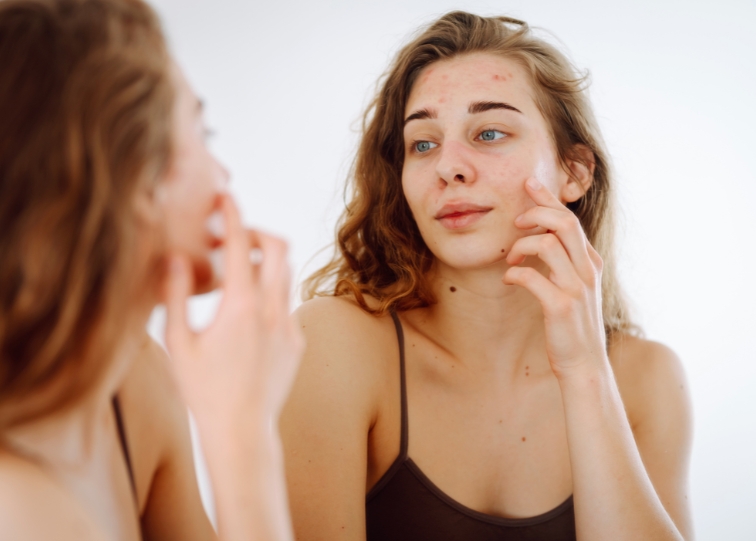
Hyperpigmentation refers to the darkening of certain areas of the skin due to an excess of melanin, the pigment responsible for giving color to our hair, skin, and eyes. It can manifest as age spots, sunspots, post-inflammatory hyperpigmentation (PIH), or freckles. Common causes of hyperpigmentation include sun exposure, hormonal fluctuations, acne, and skin injuries.
Key Characteristics:
Variety of Causes: Hyperpigmentation can stem from various factors, making it a broad term that encompasses different types of dark spots on the skin.
Response to UV Exposure: Sun exposure exacerbates hyperpigmentation by stimulating melanin production in the affected areas.
Treatment Options: Treatment approaches for hyperpigmentation include topical products containing ingredients like retinoids, vitamin C, alpha hydroxy acids (AHAs), and niacinamide, along with procedures like chemical peels, microdermabrasion, and laser therapy.
Understanding Melasma
Melasma, on the other hand, is a specific type of hyperpigmentation characterized by brown to gray-brown patches that typically appear on the face, especially the cheeks, forehead, bridge of the nose, and upper lip. Unlike other forms of hyperpigmentation, melasma has a more complex relationship with hormonal factors, often occurring during pregnancy or due to hormonal birth control usage.
Key Characteristics:
Hormonal Influence: Melasma is closely linked to hormonal fluctuations, which is why it is more common among pregnant women and individuals using hormonal contraceptives.
Distinct Pattern: The pattern of melasma often follows specific areas of the face, with symmetric patches forming on the cheeks, forehead, and upper lip.
Challenging to Treat: Melasma can be more challenging to treat compared to general hyperpigmentation due to its hormonal triggers. Sun protection is crucial in managing melasma, as UV exposure can worsen the condition.
Treatment Options: Effective treatment strategies for melasma include topical creams containing ingredients like hydroquinone, kojic acid, azelaic acid, and glycolic acid. Chemical peels and laser therapy may also be used under the supervision of a dermatologist.
How to Treat Each Condition
Hyperpigmentation Treatment:
Use broad-spectrum sunscreen daily to protect your skin from UV rays.
Incorporate a skincare routine with products containing ingredients like retinoids, vitamin C, and niacinamide to promote skin renewal and reduce pigmentation.
Consider using chemical peels or microdermabrasion to exfoliate the top layer of skin and fade pigmentation.
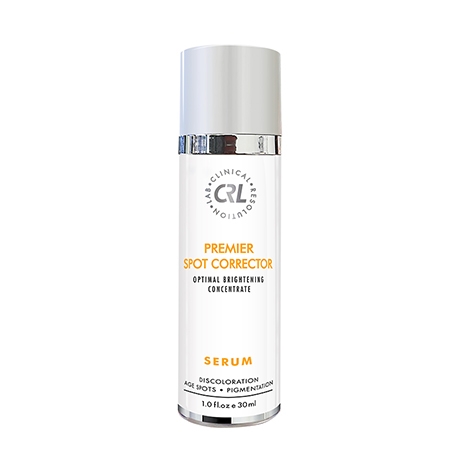
Premier Spot Corrector Serum as part of your skincare routine can complement these professional treatments. Its potent formula targets uneven skin tone, hyperpigmentation, and age spots, providing a holistic approach to skin correction. With key features including antioxidant protection, collagen promotion, and minimized dark spots, this serum can be an excellent addition to your daily skincare regimen.
- Provides antioxidant protection and skin brightening benefits
- Fights free radical damage for smooth, healthy skin
- Encourages collagen and elastin production to prevent fine lines and wrinkles
- Helps minimize dark spots and excess pigmentation on the face
- No skin irritation or unwanted side effects
Melasma Treatment:
Prioritize sun protection with a broad-spectrum SPF of at least 30 to prevent melasma from worsening.
Topical treatments with hydroquinone, azelaic acid, or kojic acid may help lighten melasma patches.
Explore prescription treatments like corticosteroids and tretinoin, prescribed by a dermatologist.
Professional treatments like chemical peels or laser therapy should be conducted by experienced practitioners to minimize risk.
Hyperpigmentation and melasma might share similarities in their appearance, but understanding their underlying causes and distinctive characteristics is essential for effective treatment. While general hyperpigmentation can arise from various factors, melasma has a more complex relationship with hormonal triggers. A holistic approach that combines sun protection, topical treatments, and professional interventions can bring positive outcomes in managing both conditions. Remember, consulting a dermatologist for personalized advice and treatment recommendations is crucial to achieve the best results for your unique skin concerns.
Available for purchase on our site with a professional account:
Are you an esthetician or dermatologist? Create an account here: CRL Professional Account
References: