PDRN in Skincare: What It Is, How It Works, and Why Everyone’s Talking About It
Once used primarily in regenerative medicine, PDRN is now being recognized in skincare for its ability to repair damaged skin, calm inflammation, and promote cell regeneration. In this post, we’ll cover what PDRN is, how it works, and why it’s becoming a must-have ingredient for sensitive or aging skin.
What Exactly Is PDRN?
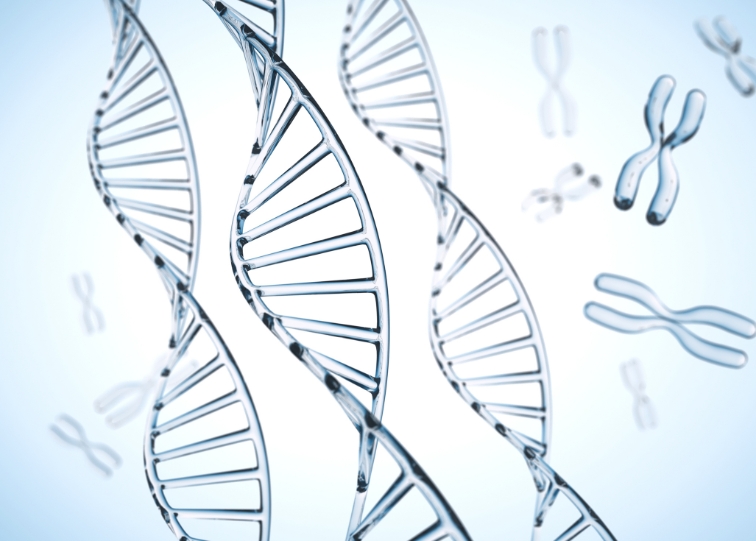
PDRN stands for Polydeoxyribonucleotide, a naturally derived molecule extracted from salmon DNA. It might sound unusual, but PDRN is highly biocompatible, meaning your skin recognizes it and knows how to use it effectively.
Originally used in clinical treatments to heal wounds, reduce inflammation, and regenerate tissue, PDRN now brings those same benefits to skincare, just in a gentler, cosmetic form.
Plant-Based PDRN Alternatives
While traditional PDRN is derived from salmon DNA, new biotechnological advancements have made it possible to create plant-based PDRN analogs. These plant-derived versions replicate the molecular structure and rejuvenating benefits of traditional PDRN without the use of animal ingredients. They offer a sustainable, vegan-friendly option that supports skin regeneration, hydration, and recovery with the same efficacy — making it suitable for even the most sensitive skin types.
How Does PDRN Work?
Your skin constantly renews itself through cell regeneration, but this process slows down with age, stress, and sun exposure. PDRN helps restart that repair cycle by:
- Activating fibroblast cells to produce collagen and elastin
- Improving blood flow so skin receives more nutrients and oxygen
- Calming inflammation to reduce redness and irritation
- Supporting DNA repair, strengthening the skin’s structure
In short, PDRN helps your skin heal itself faster and more efficiently.
What Are the Benefits of PDRN for Skin?
If you struggle with sensitivity, damage, or dullness, PDRN can help restore balance and resilience. Here’s what most users notice with consistent use:
- Softer, smoother skin texture
- Improved elasticity
- Reduced redness and irritation
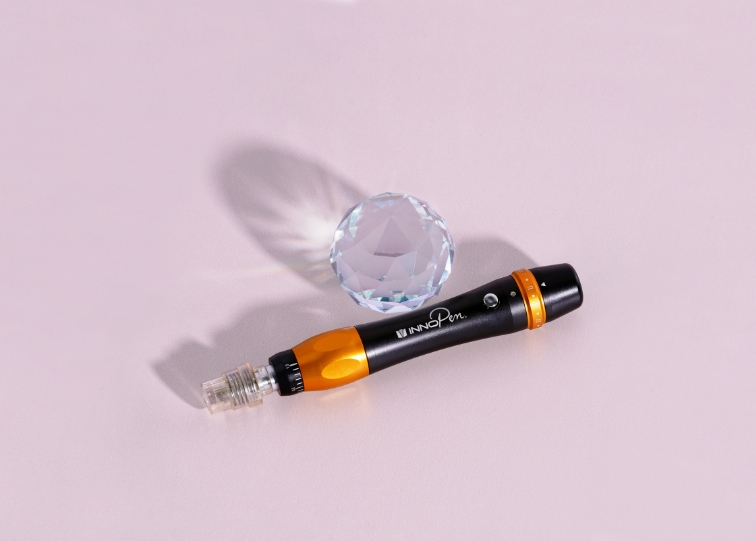
- Faster recovery after treatments like microneedling or laser
Essentially, PDRN helps your skin bounce back — making it ideal for anyone with irritation, early signs of aging, or post-procedure sensitivity.
PDRN vs. Retinol vs. Peptides
While all three are known for anti-aging, they work in unique ways.
| Feature | PDRN | Retinol | Peptides |
|---|---|---|---|
| Main Function | Regenerates and repairs skin at a cellular level | Increases cell turnover | Sends signals to boost collagen |
| Irritation Risk | Very low | Moderate | Low |
| Ideal For | Sensitive or post-procedure skin | Normal to resilient skin | All skin types |
| Results | Smoother, stronger, more resilient skin | Improved texture, reduced wrinkles | Firmer, plumper skin |
If retinol is like a trainer that pushes your skin to renew faster, PDRN is like a therapist that helps it recover, rebuild, and stay balanced.
Who Should Try PDRN Skincare?
You don’t have to be recovering from a procedure to benefit from PDRN. It’s an excellent choice if you:
- Have sensitive or redness-prone skin
- Are healing from microneedling, laser, or chemical peels
- Notice dull, tired, or uneven skin tone
- Want to improve elasticity without harsh actives
If your skin can’t tolerate strong ingredients like high-percentage retinol or acids, PDRN could be your new go-to soothing active.
Why Clinical Resolution Lab Is Investing in PDRN
At Clinical Resolution Lab, we’ve always focused on merging clinical science with real-world skincare results. As research around regenerative ingredients grows, we’re excited to be working on new formulations featuring plant-based PDRN designed to help the skin recover faster, age more slowly, and stay healthier.
These upcoming products will use our signature liposomal technology to ensure the plant-based PDRN is delivered deep into the skin for maximum efficacy and minimal irritation.
You’ll be seeing PDRN in future CRL products, and we can’t wait to share them with you.