
The Impact of Stress on Your Skin
In today's fast-paced world, stress has become an inevitable part of our lives. From work pressures to personal challenges, stress can take a toll on various aspects of our well-being, including the health of our skin. In this blog post, we'll delve into the fascinating and sometimes surprising ways stress affects your skin and explore effective strategies to maintain a healthy complexion in the face of life's demands.
The Science Behind Stress and Skin:
Stress triggers the release of hormones such as cortisol. According to the Cleveland Clinic, Cortisol can affect nearly every organ system in your body, including the Nervous system, Immune system. Cardiovascular system. Respiratory system, Musculoskeletal system. Integumentary system (skin, hair, nails, glands and nerves). In excess, cortisol can lead to inflammation throughout the body, including the skin. This inflammatory response may exacerbate existing skin conditions or contribute to the development of new ones.
Acne Aggravation:
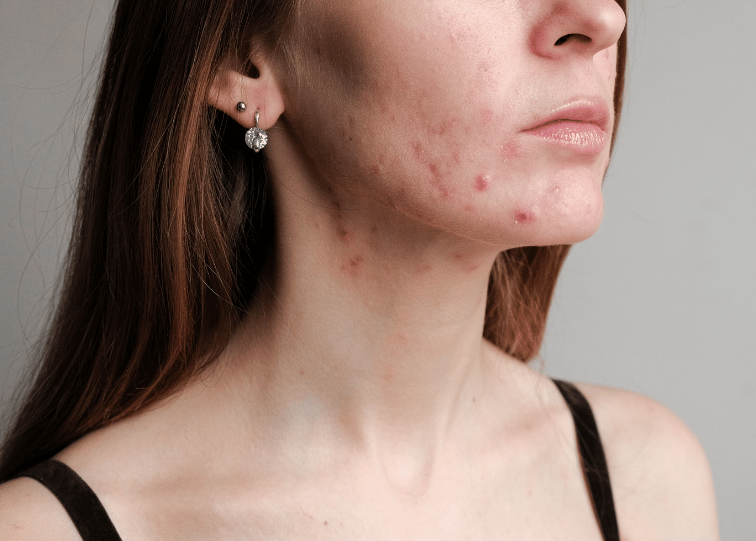
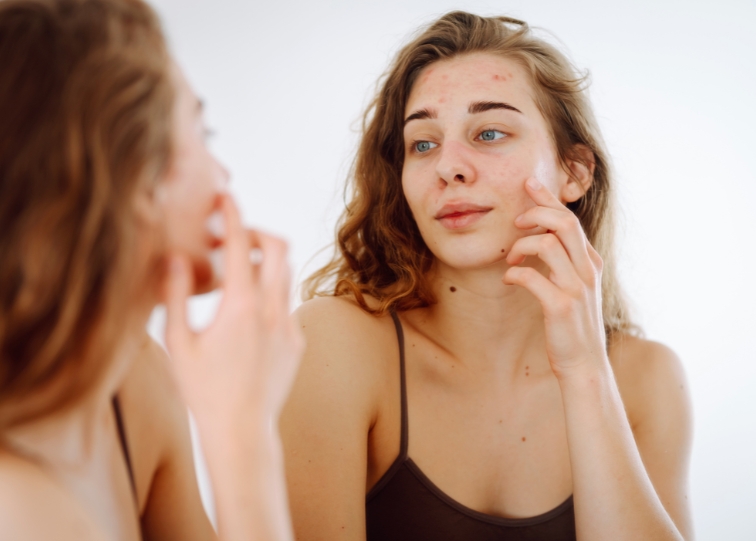
- One of the most common ways stress manifests on the skin is through acne flare-ups. The increase in cortisol levels can stimulate oil production in the skin, leading to clogged pores and breakouts. Understanding this connection can empower individuals to manage stress effectively to mitigate its impact on their skin.
Premature Aging:

- Chronic stress has been linked to premature aging, with visible signs such as fine lines, wrinkles, and sagging skin. The prolonged release of stress hormones can accelerate the breakdown of collagen and elastin, essential proteins that maintain skin elasticity and firmness.
Skin Sensitivity and Irritation:
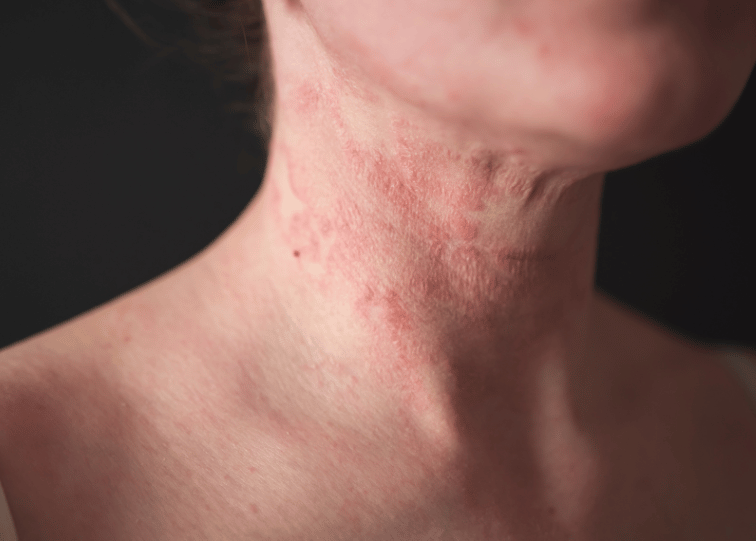
- Stress can also make the skin more sensitive and prone to irritation. Conditions like eczema and psoriasis may worsen during periods of heightened stress, emphasizing the need for stress management as part of a comprehensive skincare routine.
Compromised Skin Barrier Function:
- The skin's barrier function is crucial in protecting against external irritants. Chronic stress can compromise this barrier, making the skin more susceptible to environmental damage and increasing the risk of dehydration.
- Strategies for Stress Management and Healthy Skin:
- Mindfulness and Relaxation Techniques: Incorporate meditation, deep breathing, or yoga into your routine to reduce stress levels.
- Adequate Sleep: Prioritize quality sleep to allow the skin to repair and regenerate.
- Regular Exercise: Physical activity is not only beneficial for overall health but can also help alleviate stress and promote radiant skin.
- Balanced Diet: Nourish your skin from the inside out by consuming a diet rich in antioxidants, vitamins, and omega-3 fatty acids.
Skincare Routine for Stressful Times:
- Create a skincare regimen that prioritizes mild cleansing, hydration, and calming ingredients, especially during times of heightened stress. Steer clear of harsh products that could exacerbate skin irritation. Include facial masks like our Peptide Aqua Gel Masks to let your skin soak in ingredients that offer moisture, soothing effects, and anti-aging benefits. Additionally, this provides a brief 10-20 minute break in your day

As we navigate the challenges of modern life, understanding the intricate relationship between stress and skin health is key to maintaining a radiant complexion. By adopting stress-management strategies and incorporating a thoughtful skincare routine, you can empower yourself to face the demands of life while preserving the health and beauty of your skin. Remember, a mindful approach to self-care can significantly affect how stress affects your skin in the long run.