
Understanding Hypersensitive Skin
Hypersensitive skin is a common concern for many individuals, leading to discomfort and irritation. Understanding what hypersensitive skin is, what causes it, and how to treat it can help manage and alleviate the symptoms effectively.
What is Hypersensitive Skin?
Hypersensitive skin is characterized by an exaggerated response to stimuli that usually wouldn’t affect others. This type of skin is often more reactive, prone to redness, itching, and irritation.
People with hypersensitive skin may find that even mild skincare products or environmental factors can trigger discomfort.
What Causes Hypersensitive Skin?
Several factors can contribute to hypersensitive skin, including:
- Genetics: Some people are genetically predisposed to having more sensitive skin.
- Environmental Factors: Extreme weather conditions, pollution, and sun exposure can exacerbate sensitivity.
- Skincare Products: Harsh ingredients, such as fragrances, alcohol, or certain preservatives, can irritate sensitive skin.
- Medical Conditions: Conditions like eczema, rosacea, and psoriasis can cause skin sensitivity.
- Lifestyle Factors: Stress, diet, and hormonal changes can also impact skin sensitivity.
Conditions Associated with Hypersensitive Skin
Several skin conditions are commonly associated with hypersensitivity, including:
- Eczema (Atopic Dermatitis): This chronic condition leads to inflamed, itchy, and irritated skin.
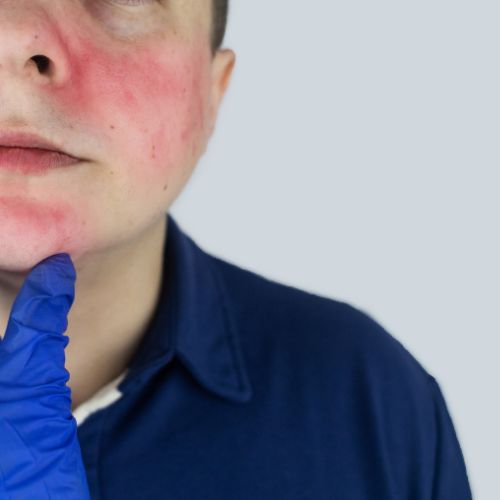
- Rosacea: Characterized by redness, visible blood vessels, and sometimes acne-like bumps, rosacea affects facial skin.
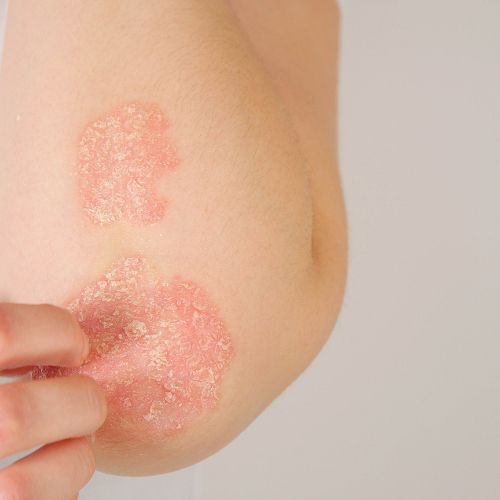
- Psoriasis: This autoimmune condition results in red, scaly patches on the skin that can be sensitive and itchy.
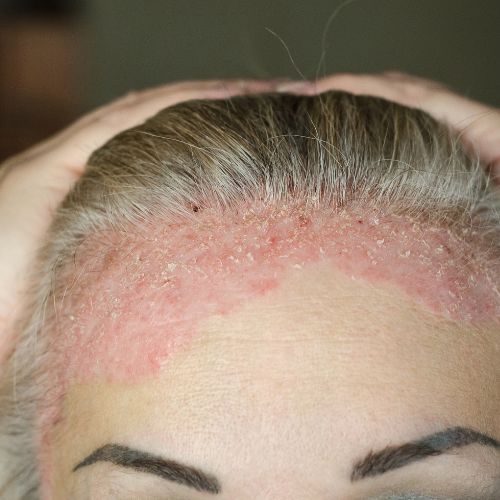
- Contact Dermatitis: An allergic or irritant reaction to contact with substances like chemicals, metals, or plants.

How to Treat Hypersensitive Skin
Treating hypersensitive skin involves a combination of avoiding triggers and using soothing products:
- Patch Test New Products: Before using a new product, perform a patch test on a small area of your skin to check for adverse reactions.
- Moisturize Regularly: Keeping your skin hydrated with a gentle, non-irritating moisturizer can help strengthen the skin barrier and reduce sensitivity.
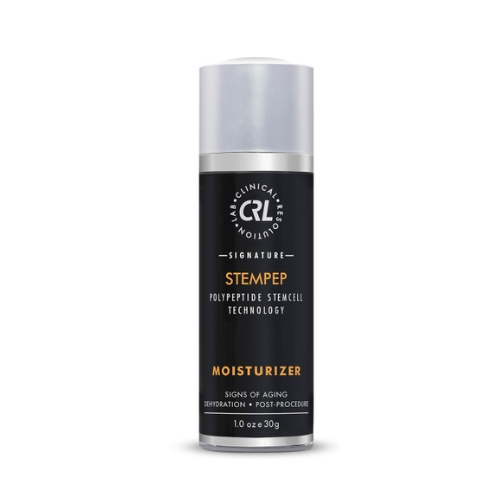
StemPep Moisturizer combines patent-pending stem cell technology with plant-derived stem cells and proteins to slow the aging process, boost collagen production, and promote healthy cell function. Ideal for normal to dry and hypersensitive skin, it hydrates, reduces fine lines, and protects skin vitality. Recommended for post-procedure use, it visibly improves skin's appearance within two weeks while offering gentle, powerful anti-aging and healing benefits.
- Avoid Known Triggers: Identify and avoid products or environmental factors that cause irritation. For instance, choose fragrance-free and alcohol-free products.
- Use Sunscreen: Protecting your skin from the sun with a broad-spectrum sunscreen can help prevent further sensitivity and damage.
- Consult a Dermatologist: For persistent or severe hypersensitivity, seek advice from a dermatologist. They can recommend specific treatments or medications tailored to your needs.
Conclusion
Hypersensitive skin can be challenging, but with the right approach, you can manage its symptoms and maintain healthy, comfortable skin. By choosing gentle products, avoiding triggers, and seeking professional advice when needed, you can help ensure that your skin remains as healthy and comfortable as possible.