
Does Vitamin C Help with Acne? Exploring the Benefits of Vitamin C Serum for Clearer Skin
Acne, a common skin condition that affects millions of people worldwide, can be a frustrating and sometimes confidence-shattering problem. There are various treatments and remedies available, but one natural solution that has gained popularity in recent years is Vitamin C serum. In this blog, we'll delve into the world of acne, and different types of acne, and explore the potential benefits of Vitamin C serum for your skin.
Understanding What Is Acne?
Acne is a skin condition that occurs when hair follicles become clogged with oil and dead skin cells. These clogged follicles can lead to the formation of pimples, blackheads, whiteheads, and more severe types of acne. Acne can appear on various parts of the body, but it's most commonly found on the face, neck, chest, and back.
What Are the Different Kinds of Acne?

There are several types of acne, ranging from mild to severe. Some of the most common include:
- Whiteheads and Blackheads: These are non-inflammatory types of acne that occur when pores become clogged with oil and dead skin cells.
- Papules: These are small, red, inflamed bumps that can be tender to the touch.
- Pustules: Similar to papules, pustules are red and inflamed but contain pus at their tips.
- Nodules: Nodules are larger, painful, solid lumps that form beneath the skin's surface.
- Cysts: The most severe type of acne, cysts are large, painful, and often result in scarring.
What Is Vitamin C Serum? What Does It Do for Your Skin?
Vitamin C serum is a skincare product that contains a concentrated form of vitamin C, an essential nutrient that plays a vital role in maintaining healthy skin. Vitamin C is an antioxidant, which means it helps protect the skin from the damage caused by free radicals, such as UV radiation and pollution. Additionally, it has several potential benefits for the skin:
- Brightening: Vitamin C can help reduce the appearance of dark spots and improve overall skin tone, leaving your skin looking more radiant.
- Collagen Production: Vitamin C promotes the production of collagen, a protein that keeps your skin firm and youthful.
- Hydration: Vitamin C can help the skin retain moisture, preventing dryness and flakiness.
- Protection: It shields the skin from harmful UV rays and environmental stressors, reducing the risk of premature aging.
What Percentage Is Good for Acne?
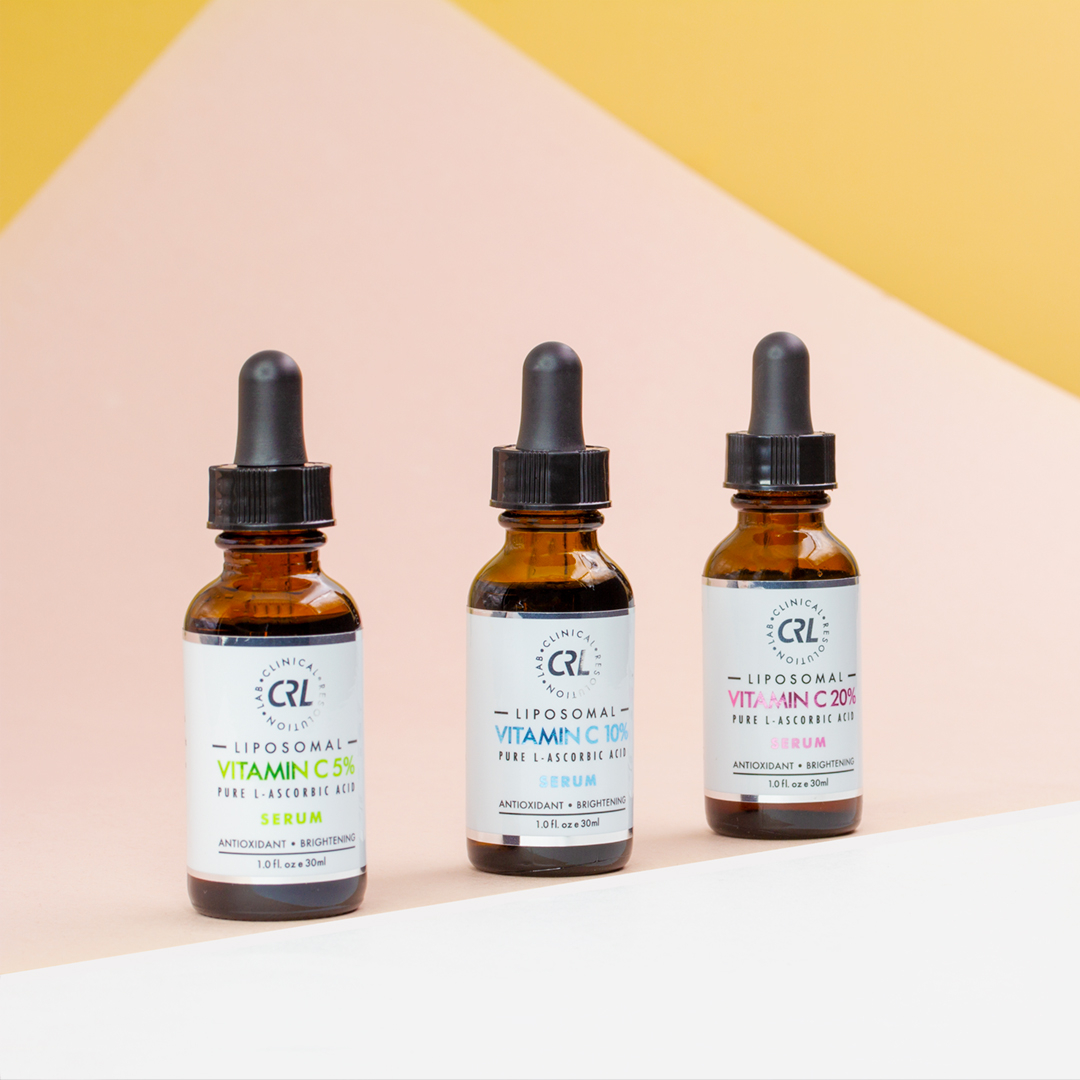
The effectiveness of vitamin C serum for acne largely depends on its concentration. A vitamin C serum with a concentration of 10% to 20% is generally recommended for treating acne and achieving noticeable results. Higher concentrations can be effective but may also be more irritating to sensitive skin. It's important to start with a lower percentage and gradually increase it to avoid potential side effects.
When to Use Vitamin C Serum?
To get the best results from vitamin C serum, it's essential to incorporate it into your skincare routine correctly. Here's when and how to use it:
- Morning Routine: Apply vitamin C serum in the morning after cleansing your face and before moisturizing. This can help protect your skin from environmental damage throughout the day.
- Patch Test: Before using a new vitamin C serum, perform a patch test to ensure your skin doesn't react negatively.
- Sunscreen: Always follow your vitamin C serum with sunscreen, as vitamin C can make your skin more sensitive to UV rays.
While vitamin C serum can provide various benefits for the skin, it's not a miracle cure for acne. Its antioxidant properties and ability to brighten the skin and boost collagen production make it a valuable addition to your skincare routine. However, results may vary from person to person, and for severe acne, it's essential to consult a dermatologist for a personalized treatment plan. In the quest for clearer, healthier skin, incorporating vitamin C serum into your skincare regimen can be a step in the right direction.