Skin’s Healing Process Post Microneedling
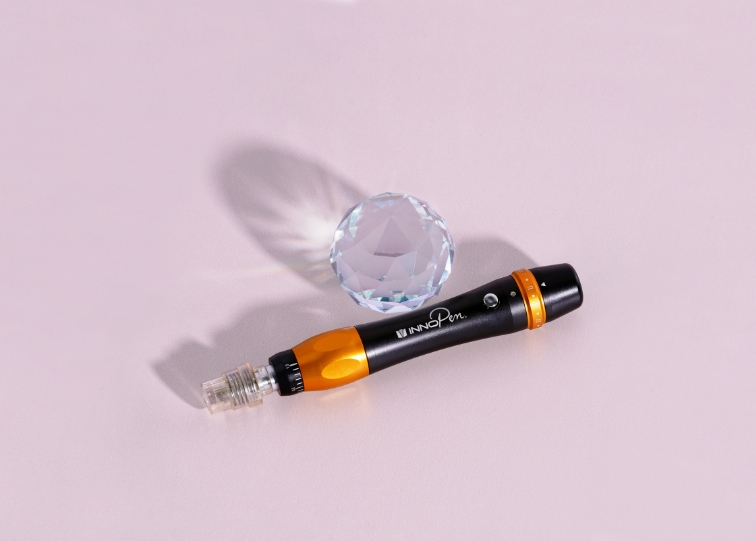
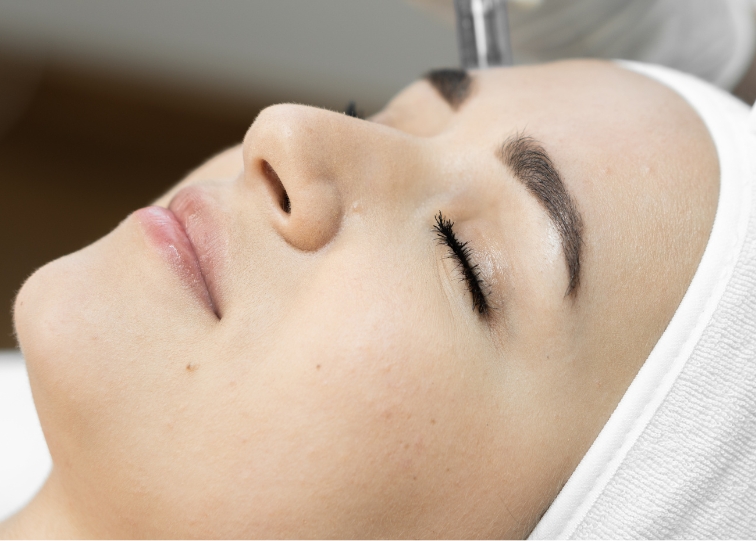
Microneedling has become a popular treatment for addressing various skin concerns, including acne scars, fine lines, and hyperpigmentation. This minimally invasive procedure uses tiny needles to create micro-injuries in the skin, stimulating collagen production and promoting the skin’s natural healing process. While results can be transformative, understanding the skin's healing process post-treatment is crucial for both professionals and clients to achieve optimal outcomes.
The Stages of Skin Healing After Microneedling
Microneedling triggers a controlled healing response in the skin, which typically follows three key stages: Inflammation, Proliferation, and Remodeling.
1. Inflammation Stage (Days 1–3)
The first phase occurs immediately after the microneedling session. The tiny micro-injuries cause controlled trauma, which leads to inflammation and redness as the body’s immune system activates. This inflammation is essential for jumpstarting the healing process, as it signals the skin to begin repairing itself.
- What to Expect:
Redness, mild swelling, and sensitivity are common. The skin may feel tight, similar to a mild sunburn. - Care Instructions:
It’s important to use soothing, hydrating products that support healing during this stage. The Peptide Aqua Gel Mask can help alleviate redness while promoting recovery. Avoid harsh ingredients like retinoids or strong exfoliants to prevent irritation.
2. Proliferation Stage (Days 3–5)
In this phase, the skin regenerates by producing new collagen and elastin, and fibroblasts are activated to repair the dermal tissue. The microchannels created during microneedling allow for deeper penetration of active ingredients, making this a critical time to use high-quality, nourishing products.
- What to Expect:
The redness starts to subside, and you may notice peeling or flaking as the skin cells turnover. Skin feels dry and tight. - Care Instructions:
Hydration is key during the proliferation stage. Ingredients like hyaluronic acid and peptides can help replenish moisture and encourage collagen production. The Hyaluronic Peptide Serum is made with hyaluronic acid and peptides and is ideal for keeping the skin hydrated without clogging pores.
3. Remodeling Stage (Days 5–14 and Beyond)
The final stage is when the true skin transformation begins. Collagen and elastin continue to rebuild over the following weeks, leading to smoother, firmer skin. The skin's texture improves, and pigmentation issues begin to fade. Although visible healing is complete by around two weeks, collagen production can continue for several months post-treatment.
- What to Expect:
By this stage, most redness and flakiness have subsided, and the skin starts to reveal a fresher, more radiant complexion. - Care Instructions:
Continue using gentle products that support long-term skin health. Incorporating antioxidants like Vitamin C can further boost collagen production and protect the skin from free radicals. Liposomal Vitamin C Serum is a great addition at this stage to enhance results.
Post-Microneedling Care Tips for Optimal Results
- Sun Protection:
The skin is more sensitive to UV damage post-microneedling. Wearing a broad-spectrum SPF 30 or higher is essential to prevent hyperpigmentation. - Avoid Makeup and Strenuous Activities:
It’s best to avoid makeup for at least 24–48 hours after treatment to reduce the risk of clogging the healing microchannels. Similarly, sweating from exercise can irritate the skin, so keep workouts light in the days following treatment. - Stay Hydrated:
Hydration from within is just as important as topical treatments. Drinking plenty of water helps to support the skin’s healing process.
Conclusion
Understanding the skin’s healing stages after microneedling is essential for both skincare professionals and clients. Proper aftercare and high-quality hydrating products, the skin can recover smoothly and reveal enhanced results over time. Remember, microneedling is a process that stimulates lasting changes in the skin, and patience is key to achieving the best outcome.