Vitamin C in Skincare: A Comprehensive Guide to its Various Forms
When it comes to skincare superheroes, few ingredients stand out as prominently as vitamin C. Known for its potent antioxidant properties and skin-brightening effects, vitamin C has become a staple in many skincare routines. However, not all vitamin C formulations are created equal. Let's dive into the diverse world of topical vitamin C and explore the various forms available for achieving radiant, healthy skin.
1. L-Ascorbic Acid (LAA): The Gold Standard
L-Ascorbic Acid is the purest and most potent form of vitamin C. Backed by extensive research, it effectively combats free radicals, promotes collagen synthesis, and brightens the complexion. However, LAA is known for its instability, meaning it can oxidize and lose effectiveness when exposed to light or air. To harness its benefits, opt for products with stable formulations in concentrations ranging from 5%-20%.
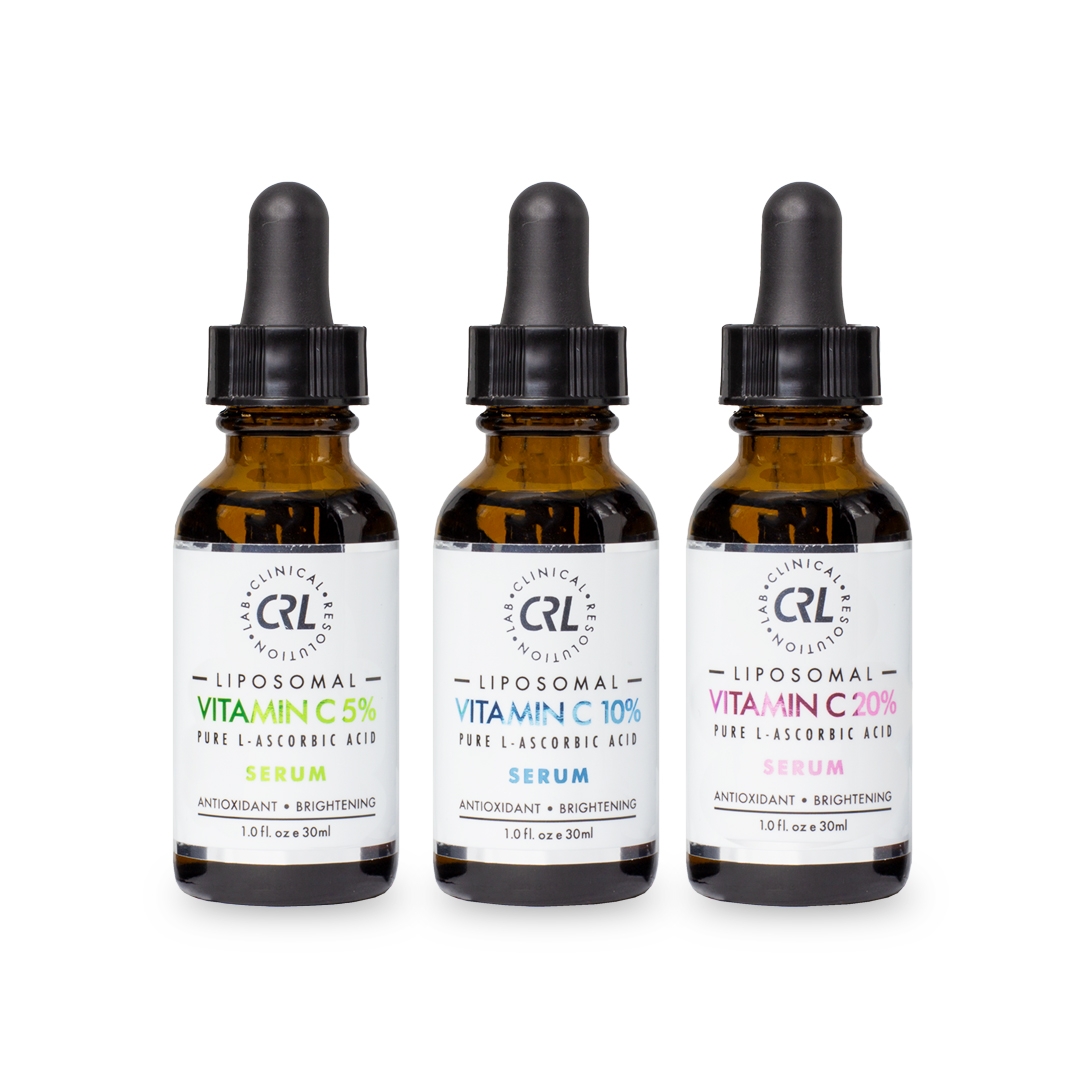
Our Liposomal Vitamin C Serums come in 5%, 10%, and 20% forms, The secret to our serum's efficacy lies in Liposomal Technology, a revolutionary approach that utilizes lipid bilayers to facilitate the rapid delivery of topical products deep into the dermis of the skin. This advanced technique not only ensures a higher absorption rate but also extends the action of our serum, resulting in a radiant complexion that emanates from within.
2. Ascorbyl Palmitate: Fat-Soluble Stability
For a more stable alternative, Ascorbyl Palmitate is a fat-soluble derivative of vitamin C. According to Paulas Choice, ascorbyl palmitate has an antioxidant benefit for the skin, research has shown it doesn’t penetrate as well as pure vitamin C (ascorbic acid) and that its conversion to vitamin C isn’t as efficient as other forms (such as tetrahexyldecyl ascorbate). While it may not penetrate the skin as effectively as LAA, its stability makes it a reliable choice, particularly for those concerned about product longevity.
3. Sodium Ascorbyl Phosphate (SAP): Water-Soluble Gentleness
If you have sensitive skin, consider products containing Sodium Ascorbyl Phosphate (SAP). This water-soluble derivative is less likely to cause irritation and offers a more stable option for those with delicate skin.
4. Magnesium Ascorbyl Phosphate (MAP): Stability with a Soothing Touch
Magnesium Ascorbyl Phosphate (MAP) is another water-soluble derivative known for its stability and skin-soothing properties. According to Lotioncrafter, It is considered light-stable and oxygen-stable. Studies of MAP in aqueous solutions indicate it retains over 95% of its potency at 40°C without any pH adjustment. Consequently, It's a great option for individuals with sensitive skin who seek the benefits of vitamin C without the risk of irritation.
 |
 |
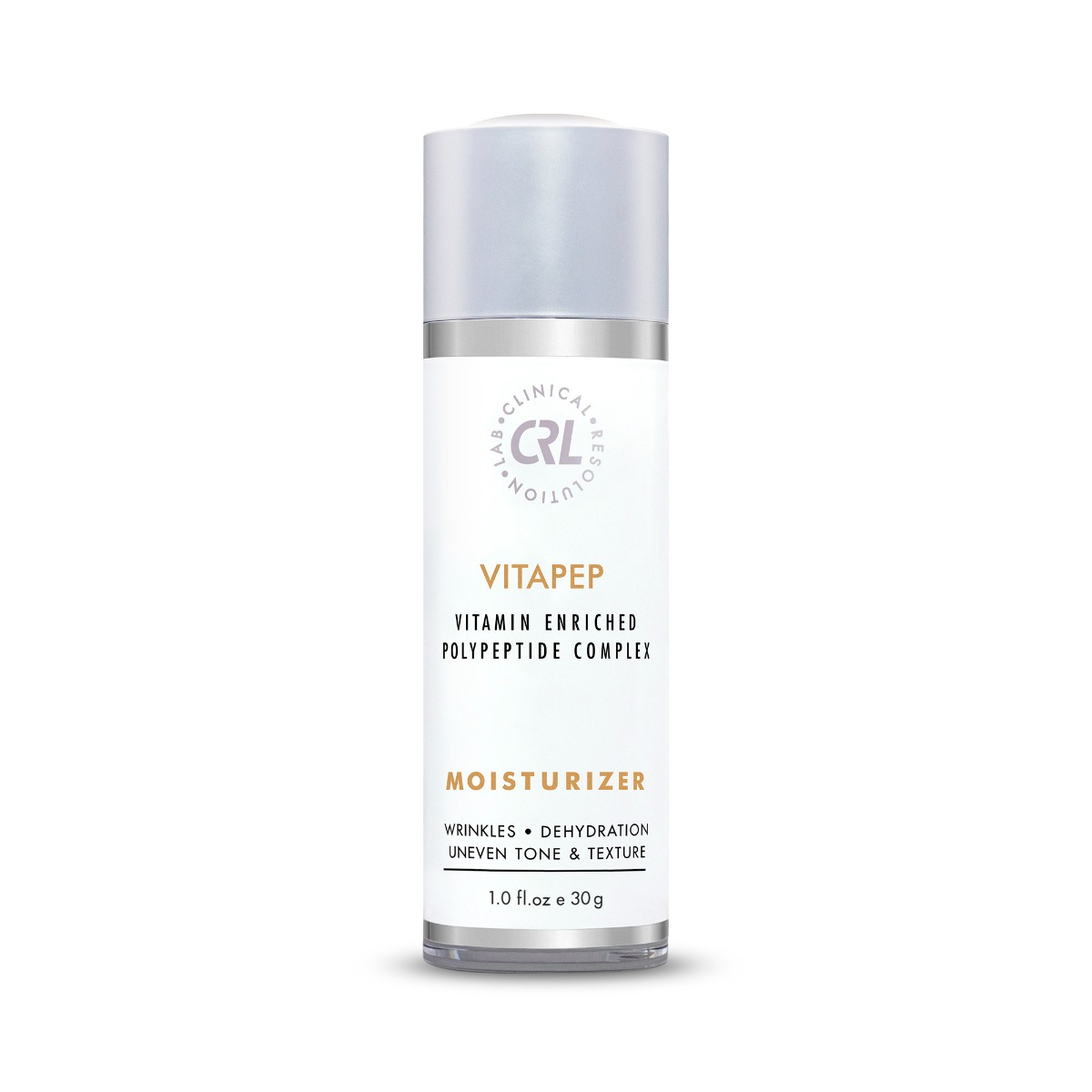
VitaPep stands out for its exceptional formulation, featuring key ingredient Magnesium Ascorbyl Phosphate (MAP). This water-soluble vitamin C derivative offers superior stability compared to L-ascorbic acid, making it an ideal choice for UV protection and repair, collagen production, and skin lightening. Combined with Alpha Lipoic Acid, MSM, and Sodium Hyaluronate, VitaPep becomes a powerhouse solution that not only nourishes and soothes all skin types but also enhances the effectiveness of vitamins C and E while addressing concerns such as wrinkles, fine lines, dull skin, puffy eyes, and dark circles. Experience the brilliance of VitaPep for radiant and rejuvenated skin.
5. Tetrahexyldecyl Ascorbate (THD Ascorbate): Oil-Soluble Elegance
For a luxurious touch, there's Tetrahexyldecyl Ascorbate (THD Ascorbate), an oil-soluble form of vitamin C. Renowned for its stability and excellent skin penetration, this derivative combines effectiveness with a silky texture.
6. Ascorbyl Glucoside: Gradual Transformation
Ascorbyl Glucoside is a water-soluble derivative that slowly converts to ascorbic acid when applied to the skin. This gradual transformation provides a steady release of vitamin C, making it a milder option that suits various skin types.
7. Ethyl Ascorbic Acid: Stability Without Compromise
Ethyl Ascorbic Acid is an oil-soluble, stable form of vitamin C that rivals the efficacy of LAA without the associated irritation. Its stability and compatibility make it an excellent choice for those seeking a powerful yet gentle vitamin C solution.
In your quest for luminous skin, also consider products that combine vitamin C with vitamin E and ferulic acid. This dynamic trio enhances stability and boosts the overall effectiveness of vitamin C, creating a powerhouse combination for your skincare routine.
Whether you're a skincare enthusiast or a newcomer to the world of vitamin C, understanding these different forms empowers you to make informed choices tailored to your skin's needs. So, embark on your journey to radiant skin, armed with the knowledge of these diverse vitamin C formulations. Your skin will thank you with a healthy, luminous glow!